Packing and load
Base weight: how to find the pounds worth cutting
Where the weight in a 27 lb load actually sits, which pounds are free to lose, and what the rest cost per pound once the free ones are gone.
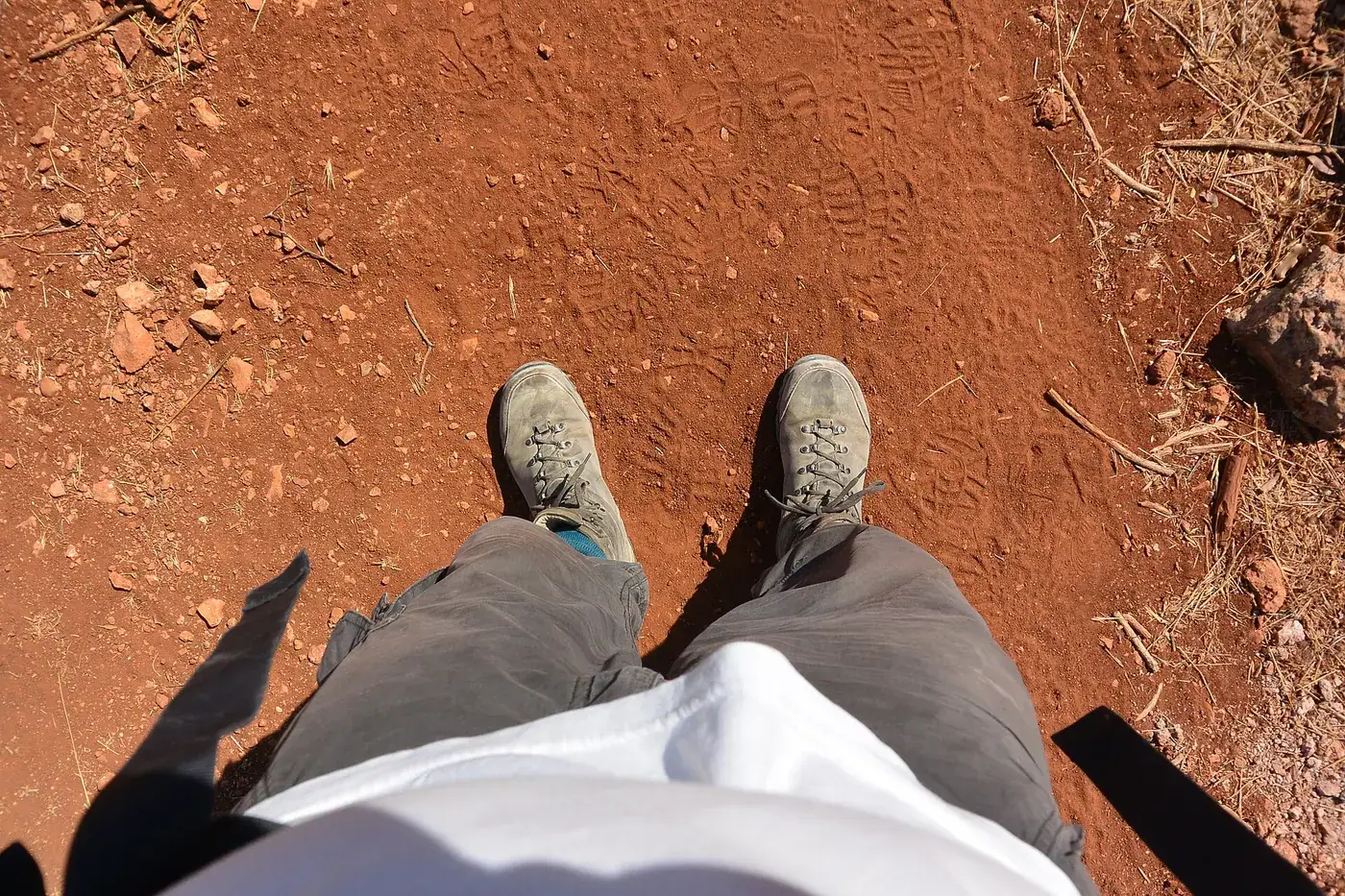
Base weight is everything in and on the pack except food, water and fuel. The definition exists because those three are the only things that change during a trip, so separating them is what lets you compare a three-day load with a one-night load honestly.
This guide lays out where the weight actually sits in an example 27 lb trailhead load, which pounds are free to remove, and what the remaining pounds cost once the free ones are gone. Every weight and price below is an example used to make the arithmetic visible; nothing here has been weighed on this site's behalf.
Base weight, and why the number is defined that way
Base weight is the pack, the shelter, the sleep system and everything else that comes home with you unchanged. Food, water and fuel are consumables, and they shrink as you walk, which is why a load is heaviest at the trailhead and nowhere else.
The reason to track the two separately is that they respond to different actions. Base weight falls when you buy or leave behind, and consumables fall when you plan refills and portions. Mixing them produces the familiar mistake of buying a lighter tent while carrying three unnecessary litres of water.
Weigh the actual items rather than copying the manufacturer's figures. A tent's packed weight includes stakes and sacks you may not take, and a pack's listed weight rarely includes the lid, the rain cover or the hip belt pockets you added.
- Base weight: pack, shelter, sleep system, clothing carried, cooking kit, first aid, electronics
- Consumables: food, water and fuel, which fall as the trip goes on
- Worn weight: boots, trousers, shirt, hat, which are not in the pack at all
- Trailhead weight: base plus consumables, which is the only number your shoulders feel
Where the weight actually is
Take an example three-day load that weighs 27 lb at the trailhead: a 3.5 lb tent, a 3.0 lb pack, a 2.5 lb sleeping bag, a 1.0 lb pad, 8.0 lb of everything else in the base weight, 4.5 lb of food at an example 1.5 lb a day, and 4.4 lb of water for two litres carried.
That makes a base weight of 18 lb and consumables of about 9 lb. The four items people fuss over most, the tent, pack, bag and pad, come to 10 lb between them, which is 37% of the load. The unglamorous eight pounds of everything else is 30% on its own.
This is the table worth building for your own kit, because it almost always contains a surprise. Most people find two or three items in the everything-else row that together weigh more than the difference between two tents they were comparing.
| Item | Example weight | Share of the load |
|---|---|---|
| Tent | 3.5 lb | 13% |
| Pack | 3.0 lb | 11% |
| Sleeping bag | 2.5 lb | 9% |
| Sleeping pad | 1.0 lb | 4% |
| Everything else in base weight | 8.0 lb | 30% |
| Food, 3 days at 1.5 lb a day | 4.5 lb | 17% |
| Water, 2 litres | 4.4 lb | 16% |
Base weight is 18 lb and consumables are about 9 lb. Shares are each weight divided by 27 lb, rounded, and they total 100%.
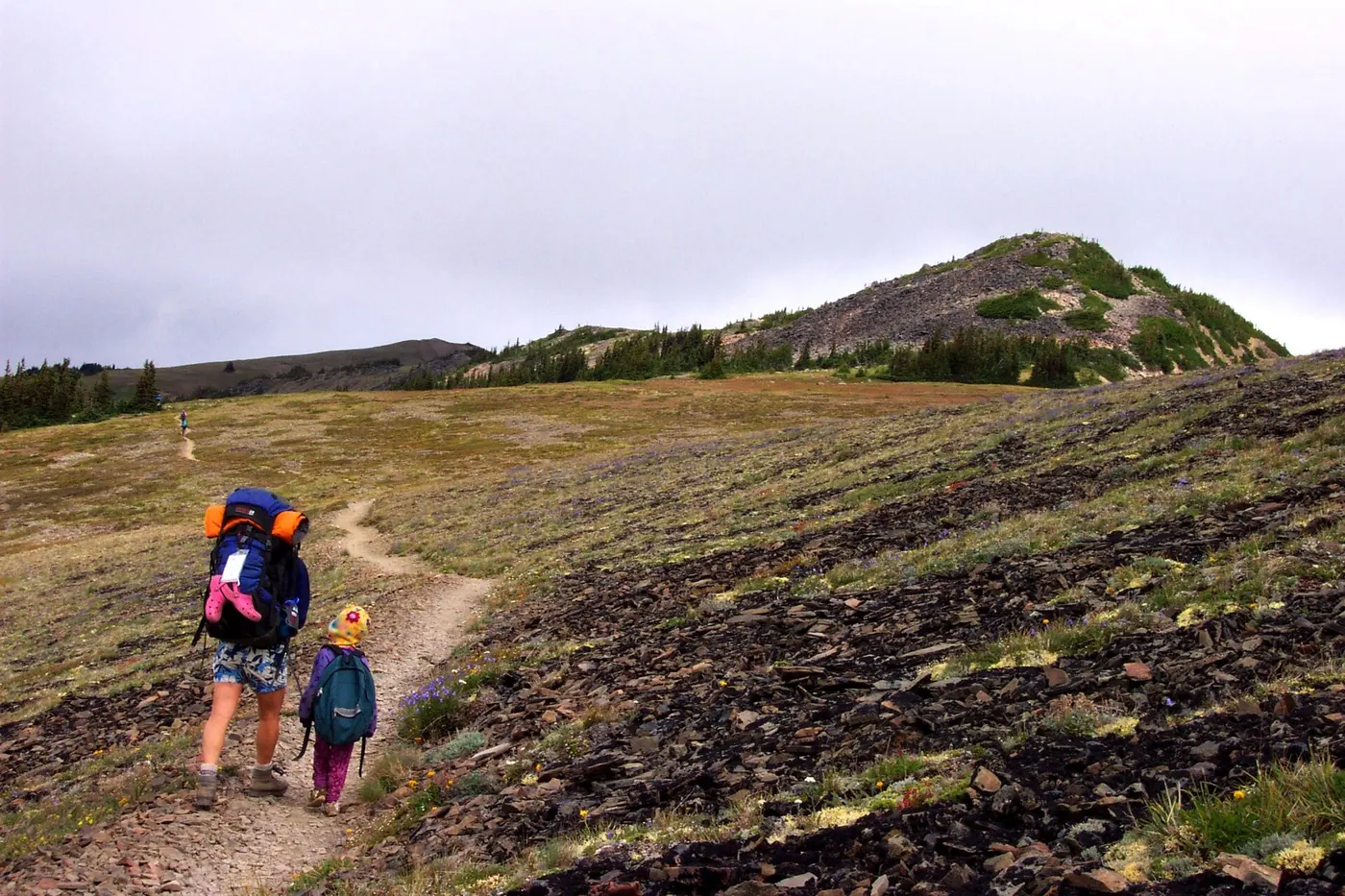
The free pounds come first
Water is the heaviest thing most people carry unnecessarily. A litre weighs about 2.2 lb, so carrying one litre fewer where refills are reliable removes 2.2 lb, which is 8% of the 27 lb load, and it costs nothing. The CDC's treatment guidance is what makes that safe to plan: a rolling boil for 1 minute, or 3 minutes above 6,500 feet, and a filter with an absolute pore size of 0.3 micron or smaller for bacteria and parasites.
Food packaging is the second free pound. Repacking three days of food out of retail boxes and into bags removes an example 0.4 lb with no change to what you eat, and it makes the volume smaller at the same time.
Duplicates are the third. Two knives, a headlamp and a backup torch, a stuff sack for each item, a second fleece in case the first one gets wet. None of these cost anything to leave behind, and together they are usually larger than anything you could buy your way out of.
- Plan refills and carry one litre less where the water source is reliable: 2.2 lb for nothing
- Repack food out of retail packaging: an example 0.4 lb for nothing
- Remove duplicate tools, lights and stuff sacks: usually more than a pound for nothing
- Weigh everything in the everything-else row and remove the three heaviest items you did not use last trip
What a pound costs after that
Once the free pounds are gone, weight has a price, and the price is high. Swapping a 3.5 lb tent for a 2.0 lb one saves 1.5 lb at an example $350, which is about $233 per pound. Swapping a 3.0 lb pack for a 2.0 lb one saves 1.0 lb at an example $250, which is $250 per pound.
Compare that to the first two rows of the table below and the ordering is obvious: the same 2.2 lb that a litre of water represents would cost over $500 to buy out of the tent and pack. Nobody frames it that way in a shop, and framing it that way is the point of the table.
Weight bought is also weight you have to keep buying. A lighter tent is usually a less durable tent, and the cost-per-night arithmetic in the choose guide on this site punishes a shelter replaced after 3 years far harder than it rewards one and a half pounds.
| Change | Weight saved | Example cost | Cost per pound |
|---|---|---|---|
| Carry one litre less where refills are reliable | 2.2 lb | $0 | $0 |
| Repack food out of retail packaging | 0.4 lb | $0 | $0 |
| Leave duplicate tools and spare stuff sacks | about 1.0 lb | $0 | $0 |
| Swap a 3.5 lb tent for a 2.0 lb one | 1.5 lb | $350 | about $233 |
| Swap a 3.0 lb pack for a 2.0 lb one | 1.0 lb | $250 | $250 |
The prices are examples chosen to show the ratio between buying weight and planning it away. The three free rows together are larger than the two paid ones.
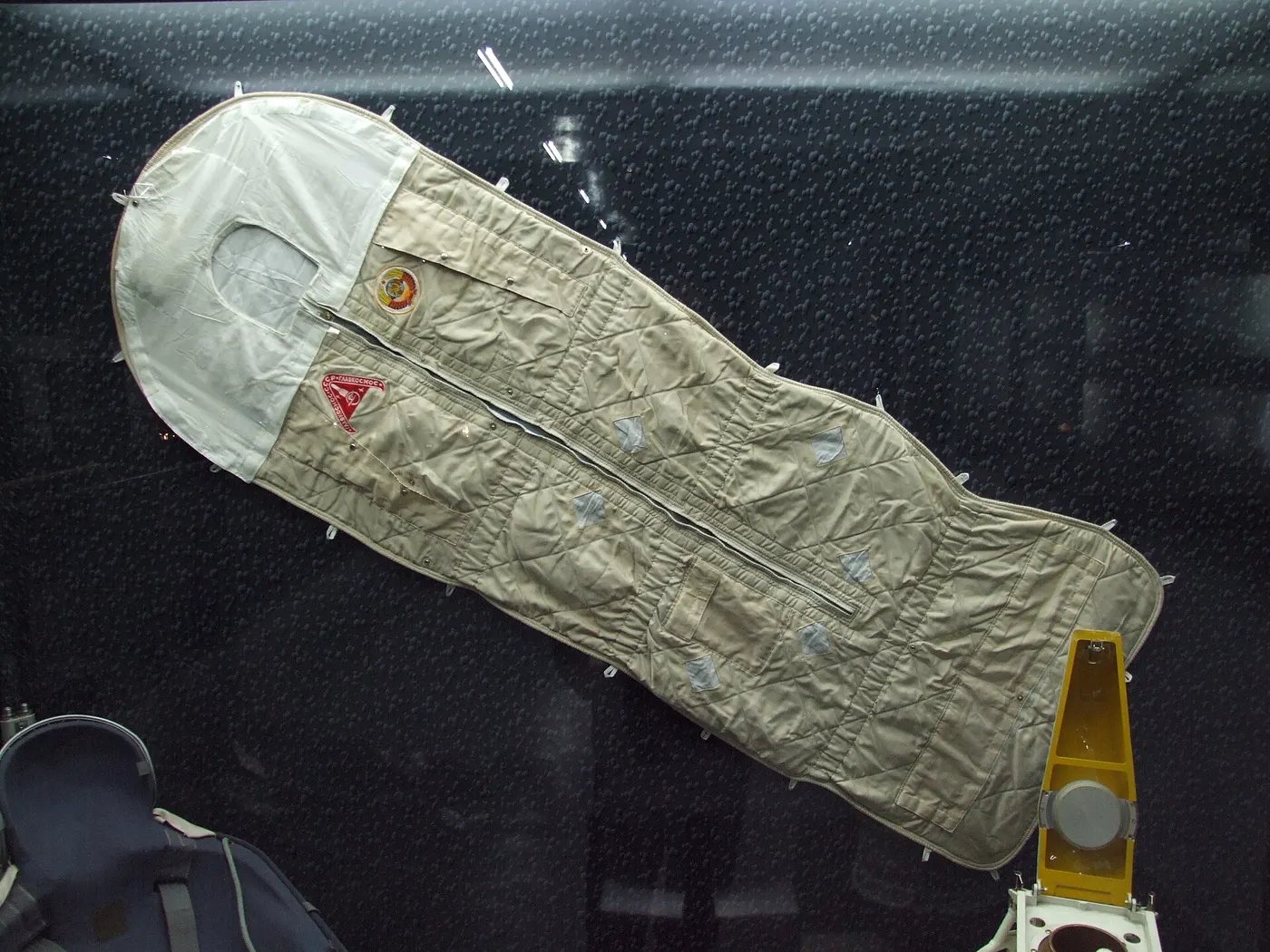
The floor you cannot cut
The National Park Service's ten essentials are the lower bound on any of this. Navigation, sun protection, extra clothing, illumination, first-aid supplies, fire, a repair kit and tools, nutrition, hydration and emergency shelter are described as the minimum items everyone should have at all times while recreating outdoors.
Two of them are explicitly redundancy: emergency shelter exists in case the tent is unusable, and extra clothing exists in case the conditions change. Those are the two items a weight-focused packing list tends to delete, and they are the two that a cold night makes the case for.
The nutrition entry carries the only quantity the Park Service puts a figure on, which is to pack an extra day's supply of food. On the example 1.5 lb a day used above, that is 1.5 lb of the 27 lb load, and it is not a candidate for cutting.
Before you buy
- Weigh every item in the pack once and write the list down
- Separate base weight from food, water and fuel before comparing anything
- Plan the refill points on the route and carry one litre less where they are reliable
- Repack three days of food out of retail packaging before the trip
- Remove duplicate tools, lights and stuff sacks from the everything-else row
- Cost any weight purchase per pound before buying it
- Keep the ten essentials in the pack whatever the weight list says
- Include the extra day's food the Park Service recommends in the total
Questions readers ask
- What counts as a good base weight?
- The number only means something against your own trips, which is why this guide gives a method rather than a target. The 18 lb base weight in the example above is an ordinary three-season figure for a tent, bag and pad bought on price rather than on weight. Track your own and watch the direction rather than the absolute.
- Should I weigh everything individually?
- Once, yes, and then only the things you change. A kitchen scale and about 40 minutes gets every item in the pack onto a list, and that list is what turns vague guessing into the table in the second section. After the first pass you only reweigh what you buy or replace.
- Is carrying less water actually safe?
- Only where you have confirmed refills on the route and can treat what you find. The CDC's methods are specific: a rolling boil for 1 minute, or 3 minutes above 6,500 feet, and filters with an absolute pore size of 0.3 micron or smaller for bacteria and parasites. Where the sources are uncertain the 2.2 lb stays in the pack.
- Does worn weight count?
- Not in base weight, by convention, because boots and clothing on your body are carried differently from load on your shoulders. It is still weight you are moving, so it is worth listing separately rather than ignoring; a pair of boots a pound heavier than needed is felt over a long day.
- Is an ultralight tent worth $350 more?
- On the table above it is about $233 per pound, against $0 for the first three rows. It becomes reasonable once the free pounds are already gone and you are going out often enough for the cost per night to be small, which the choose guide on this site works out at $7.50 for 20 nights a year.
Sources
- National Park Service - The Ten Essentials (the ten categories, described as the minimum items for anyone recreating outdoors, including packing an extra day's supply of food) — checked 2026-11-03
- CDC - Water treatment options when hiking, camping or traveling (rolling boil for 1 minute, 3 minutes above 6,500 feet; 0.3 micron absolute pore filters remove bacteria and parasites but not viruses) — checked 2026-11-03
Some links on this site can earn us a commission. That does not change which product a guide recommends, and it adds nothing to your price. Advertising is not enabled on this site yet. When it is, ads will be labelled and kept visually separate from the guides.