How to choose
Temperature rating: what the number on a sleeping bag actually describes
A temperature rating is a laboratory result, not a forecast. Here is what the test controls, what it leaves to you, and how to read a rating against the night you are planning.
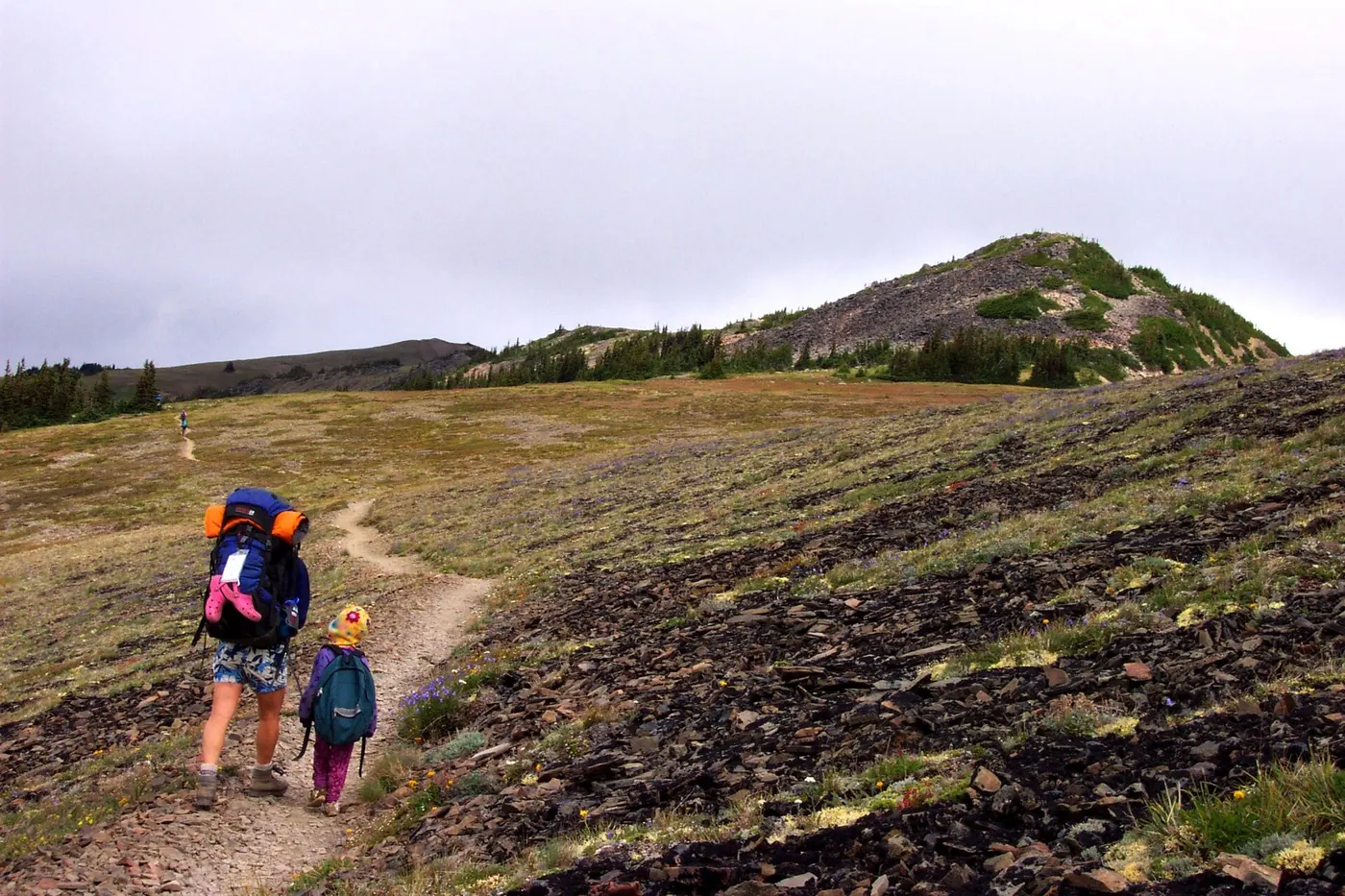
A temperature rating is the one specification almost everyone reads and almost nobody reads correctly. It is printed as a single figure, which invites you to treat it as a threshold: above this number you are fine, below it you are not. The test behind it was never built to make that promise.
This guide explains what the laboratory procedure holds constant, which variables it hands back to you, and how to compare two bags that carry similar figures. It does not rank products and does not quote prices, because both move faster than the physics does.
A temperature rating is a lab result, not a forecast
The figure comes out of a controlled procedure. A heated manikin, dressed in specified underlayers and resting on a specified mat, is placed inside the bag in a climate chamber. The chamber is cooled while the heat flowing out of the manikin is measured, and the temperatures at which the measured heat loss matches defined thresholds become the reported values. Everything that would otherwise vary is pinned down: air movement, humidity, the mat beneath the bag, the clothing on the manikin, the posture it lies in.
That is a strength, not a flaw. Pinning those variables down is what makes two bags from two makers comparable at all. The error is carrying the result outside the chamber unchanged. The chamber has no wind, no condensation dripping off a single-wall shelter, no cold slab of rock conducting heat out of your hip, and no sleeper who went to bed dehydrated after a long day. Each of those shifts the night in the same direction, and they stack.
There is a second reading problem. The procedure reports more than one temperature, describing different situations from comfortable sleep through to a survival figure that is not a sleeping temperature at all. Makers do not all put the same reported value on the hangtag. Before you compare two numbers, confirm on each product's own specification sheet which reported value you are looking at, otherwise you are comparing two different questions.
- Held constant in the chamber: air movement, humidity, the mat under the bag, the clothing worn, the sleeper's posture.
- Handed back to you: wind across the shelter, damp in the fill, the pad you own, the shelter you pitch, your own state at bedtime.
- Not described at all: how the bag behaves after several seasons of compression and washing.
- Worth checking separately: which of the reported values the maker printed, and whether the figure is quoted for a men's or women's version of the same bag.
Read the night the weather service defines, not the daytime high
The forecast number most people carry into a gear decision is the daytime high, which is the least relevant figure available. What matters is the overnight low at your elevation, and what the wind does to it. The National Weather Service defines wind chill only for temperatures at or below 50 degrees F and wind speeds above 3 mph, so below that threshold the exposure is a combination rather than a single reading.
The agency's own worked example shows the size of the effect: an air temperature of 0 degrees F with wind at 15 mph produces a wind chill of -19 degrees F, and at that wind chill exposed skin can freeze in 30 minutes. A sleeping bag is not exposed skin, but the same arithmetic runs on every part of your system that the wind can reach, which includes a shelter wall, a hood left open, and your face.
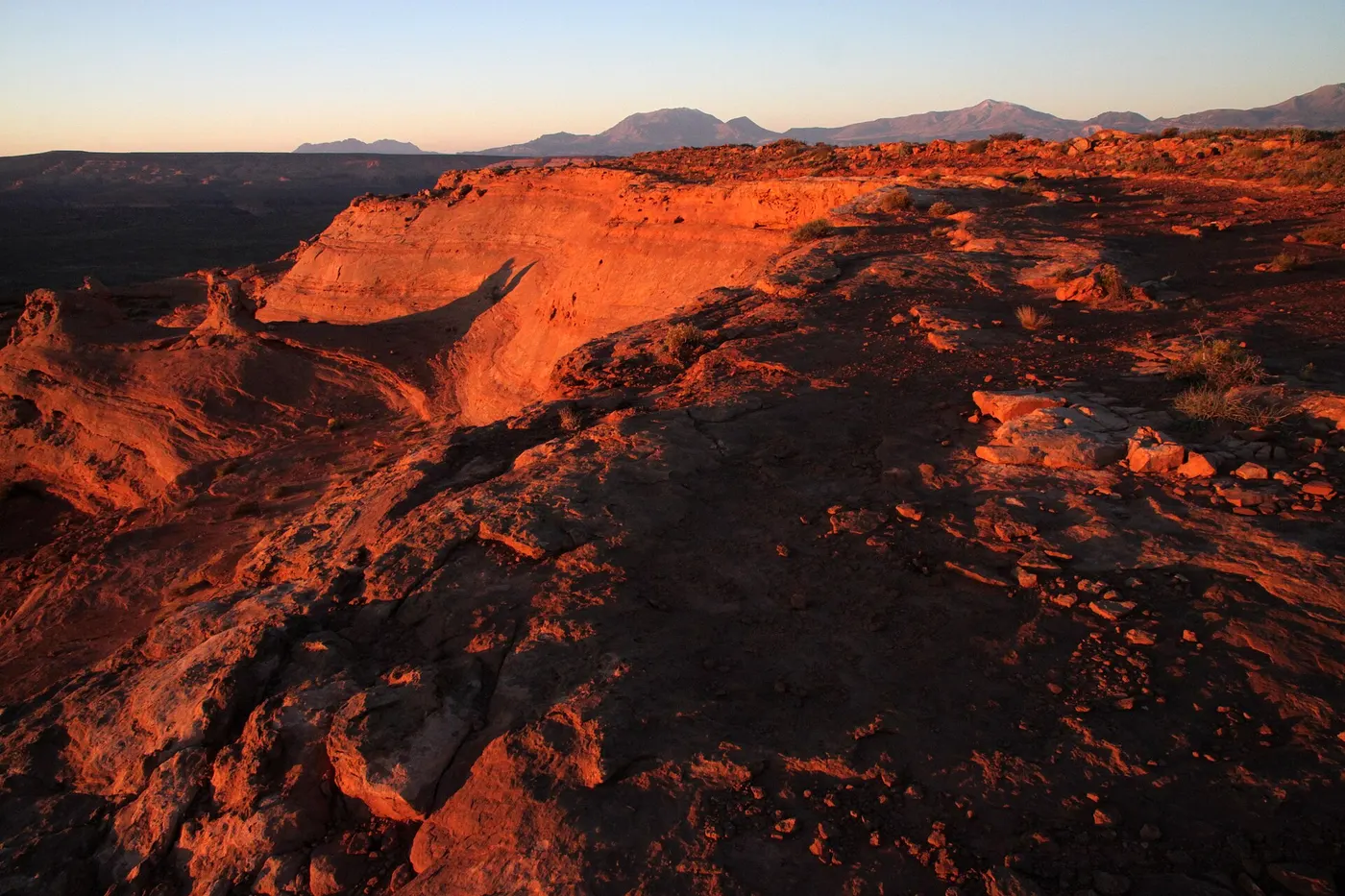
So the practical input to a rating decision is three readings, not one: the overnight low for the elevation you will sleep at, the forecast wind at that site, and the humidity or precipitation chance that decides whether your insulation stays dry. Mountain and plateau sites deserve extra caution here, because they can drop well below a valley forecast and offer almost nothing to hide behind.
The variables that move a night away from the printed figure
Once you accept that the rating is a baseline, the useful work is identifying which variables you can still change and where the honest figure for each one lives. Most of them are published by someone: the pad maker publishes an R-value, the bag maker publishes fill weight and construction, the weather service publishes wind, and the land manager publishes site conditions. Very little of this has to be guessed.
The table below sorts those variables by direction of effect. Read it as a checklist rather than a calculation, because the interactions are not additive in any way you can compute at a kitchen table. What it gives you is an order of operations: fix the large, cheap, controllable items before you spend anything on a lower-rated bag.
| Variable | Which way the night moves | Where to confirm the figure |
|---|---|---|
| Wind reaching the shelter | Colder, and defined only at or below 50 degrees F with wind above 3 mph | The weather service wind chill chart, read against the forecast wind |
| The pad under the bag | Colder with a thin pad, warmer as insulating value rises | The pad maker's published R-value on its own specification sheet |
| Damp in the insulation | Colder, because compressed and wet fill holds less air | The maker's fill and care documentation for that model |
| Clothing worn inside the bag | Warmer, up to the point where layers compress the fill | The clothing specified in the bag's own test description |
| Site exposure and elevation | Colder on open rock, ridges and plateaus than in sheltered timber | The park or forest unit's current conditions page |
| Shelter type | Warmer inside a closed double-wall tent than under an open tarp | The shelter maker's published specification |
Directions of effect only. No table can convert these into a revised temperature rating for your specific night.
The ground takes heat differently from the air
A bag insulates by trapping still air in loft. Underneath you, your body weight compresses that loft to almost nothing, so the fill on the bottom of the bag does very little. The insulation that matters there is the pad, and the published figure for a pad is its R-value: a measure of resistance to heat flow, where a higher number means more resistance. This is the single most common reason a bag rated for a night fails on that night.
The consequence for shopping is direct. If your pad is thin, buying a bag with a lower rating is an expensive way to solve a problem that sits underneath you. Compare the pad's published R-value against the surface you will sleep on, because rock, sand and snow conduct heat away at very different rates. A sheltered pitch on soil under trees is a different problem from a flat slab of warm-looking sandstone that has been radiating heat away since sunset.
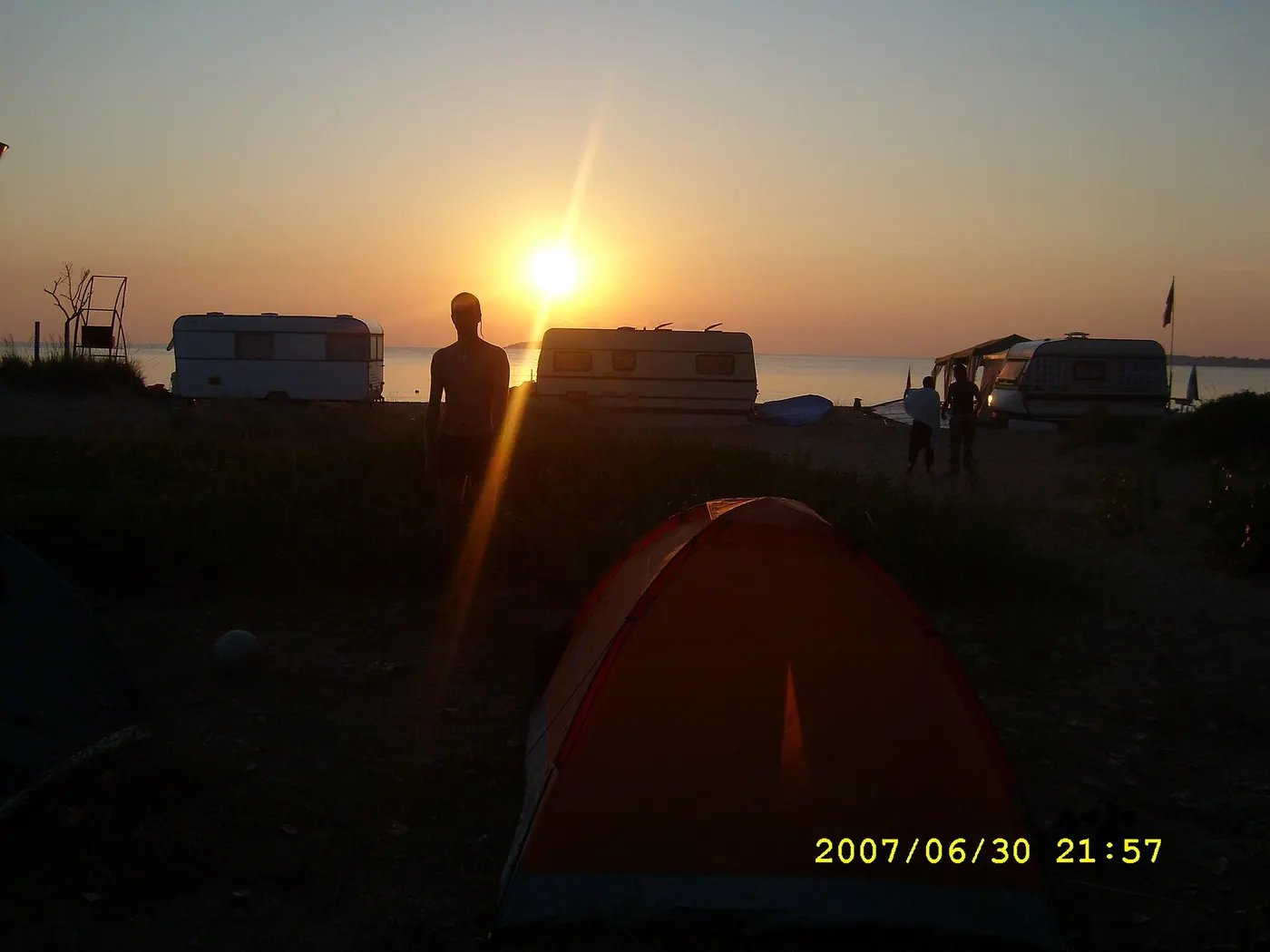
Shelter choice works the same way. A closed double-wall tent moderates wind and holds a little warmed air; an open tarp does neither, and a coastal or exposed site will take both sun and wind earlier in the morning than you expect. None of this changes the rating on the label, and all of it changes the night.
Who is inside the bag changes the answer
The manikin in the chamber is an average, and nobody sleeping outside is an average. Cold tolerance varies with body size, metabolism, fatigue, food, hydration and age, which is why two people in identical bags on identical pads report different nights. The public health guidance makes the age pattern explicit: the National Weather Service notes that hypothermia occurs when body temperature falls below 95 degrees F, and that young children under the age of 2 years and people over 65 years are most susceptible to it.
That matters most for group and family trips, where the decision is usually made around the largest, warmest-sleeping adult. A child carrying a token day pack is not thermally equivalent to the adult carrying the load, and will not generate the same heat once everyone stops walking. Plan the sleep system for the coldest sleeper in the party rather than the average of the party, and build in a margin for the person who cannot describe how cold they are getting.
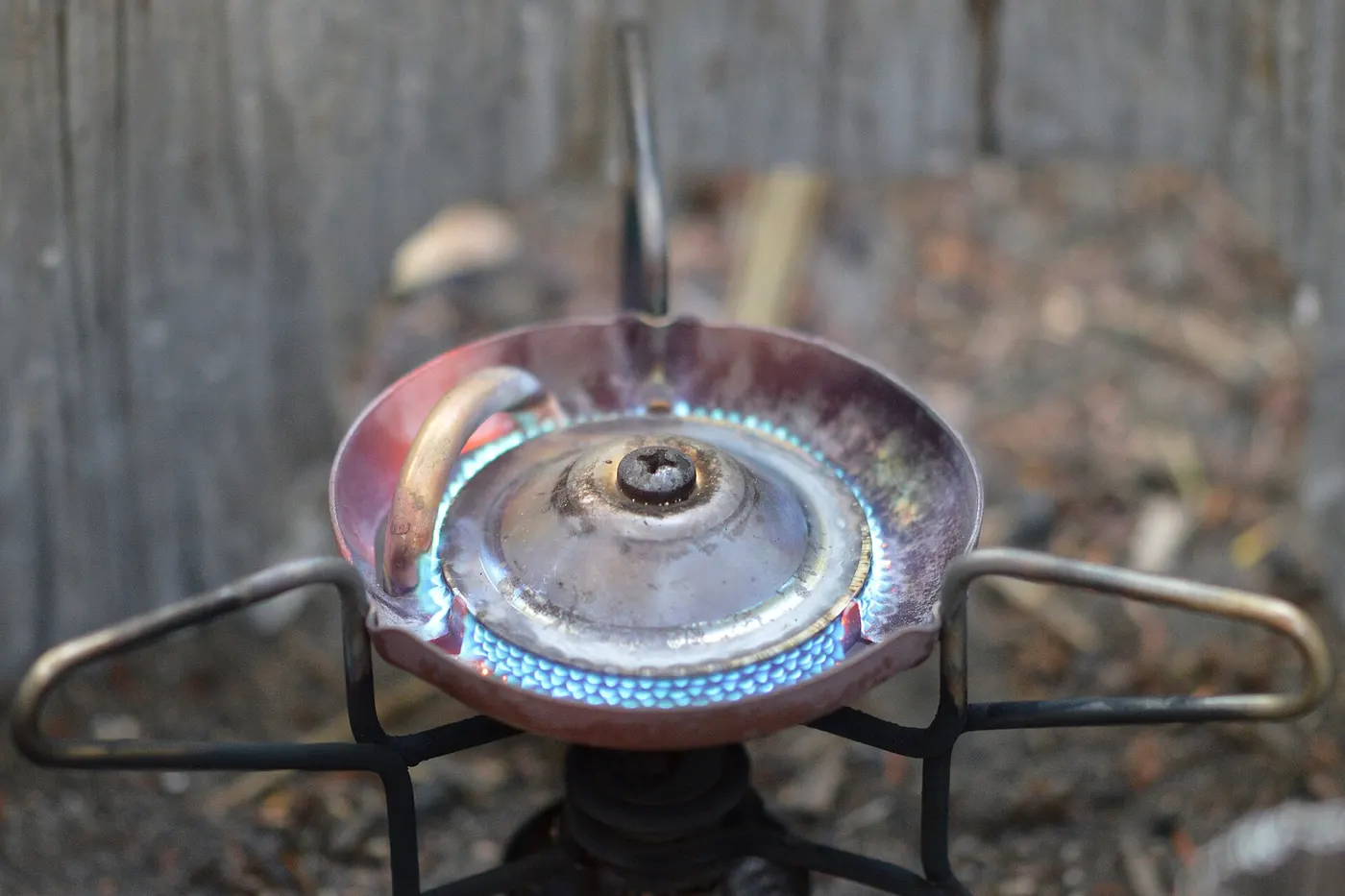
The surrounding routine does real work here too. Hot food and a warm drink before bed, dry sleeping clothes kept separate from the clothes you walked in, and a dry hat all shift the night in your favour without touching the rating. A stove running clean, with the pot supports out and a windscreen set, is part of the sleep system rather than a separate luxury.
- Plan the system around the coldest sleeper in the group, not the average.
- Keep a dedicated set of dry sleep clothes that never gets walked in.
- Eat and drink something warm before bed rather than immediately on waking.
- Watch children and older members of the party for shivering and confusion rather than waiting to be told.
Turning a rating into a decision you can defend
Work in this order. First, write down the overnight low and the forecast wind for the place you are actually going, at the elevation you will actually sleep at. Second, read the R-value your current pad publishes and decide whether that is the weak link. Third, shortlist bags whose reported values cover your low with margin, confirming for each one which reported value the maker quoted. Only then start comparing fill weight, hood and collar design, zip baffles and packed size.
Two further habits keep the decision honest over time. Store the bag uncompressed, because fill that has been crushed in a stuff sack for months loses loft and therefore loses the insulation the rating assumed. And re-read the specification before a trip that is colder than your last one, since makers revise both models and published figures between seasons without renaming the product.
Where you cannot find a published figure, the right move is to find out where the figure lives rather than to estimate it. Pad R-values, bag fill weights and test descriptions sit on the maker's own specification pages. Wind, overnight lows and cold-weather safety thresholds sit with the weather service. Site exposure, water and access sit with the land manager. If none of the three has the number, treat its absence as information and carry more margin.
Before you buy
- Overnight low written down for the elevation you will sleep at, not the nearest town
- Forecast wind checked against the weather service wind chill chart
- Pad R-value read off the pad maker's own specification sheet
- Which reported value the bag maker quotes confirmed on the product specification
- Hood, draught collar and zip baffle inspected rather than assumed
- Dry sleep clothes and a hat packed separately from walking clothes
- Coldest sleeper in the group used as the planning case
- Bag stored uncompressed between trips
Questions readers ask
- Does a lower temperature rating always mean a warmer bag?
- It means the bag performed to a lower chamber temperature under the test conditions. On a real night the pad, wind, damp and shelter can easily outweigh the difference between two bags whose figures are close, so treat small gaps between ratings as noise and look at construction instead.
- Why do two bags with the same rating feel different?
- Because the figure does not describe the hood, the draught collar, the zip baffle, the fill distribution or the fit. Two bags can reach the same chamber result by different routes, and those details decide how much of the performance survives a windy night.
- Can I just wear more clothes instead of buying a colder-rated bag?
- Up to a point. Dry sleep clothes and a hat help, but layers thick enough to compress the loft work against you. Check the clothing described in the bag's own test specification, since the reported figure already assumes something is being worn.
- Does the pad really matter as much as the bag?
- Underneath you, yes. Body weight flattens the fill on the bottom of the bag, so the published R-value of the pad does most of the work against the ground. If the pad is thin, upgrading it is usually the more effective change.
- How often should I re-read the published figures?
- Before any trip colder than your last one, and in any case after 12 months, because makers revise models and specification pages between seasons without changing the product name.
Sources
- National Weather Service — Wind Chill Chart — checked 2026-11-06
- National Weather Service — Cold Weather FAQs (hypothermia, wind chill definition) — checked 2026-11-06
- Ready.gov — Winter Weather preparedness — checked 2026-11-06
- National Park Service — Camping — checked 2026-11-06
Some links on this site can earn us a commission. That does not change which product a guide recommends, and it adds nothing to your price. Advertising is not enabled on this site yet. When it is, ads will be labelled and kept visually separate from the guides.